Nation · Democratic Republic of Congo
Batwa ba Ntomba ba Mongo
An indigenous people of the equatorial forest – known as the pygmy
people of the region and guardians of the forest. Part of the Council of
Elders of Kama (C.SA.K) platform.
A unique social system in the forest
We are an indigenous people, part of the larger Mongo ethnic group. What sets us apart from other indigenous communities is that, together with the Batwa ba Ntomba and the Bantou Ntomba, we form a rather unique social system.
„Our history is that of unrivalled hunter-gatherers, whose knowledge of the forest, hunting techniques and plant resources is second to none. This intimate knowledge of the forest world has sometimes earned us the title of ‚guardians of the forest‘.“
We live together in the same villages, under the authority of a single chief, we speak the same language, and we share most of our customs. That is not the case in other parts of Central Africa, where these groups often live separately, with very distinct ways of life. We, the Batwa ba Ntomba ba Mongo, are known as the pygmy people of the region. Our build is generally smaller than that of the Bantou Ntomba, and originally we were hunter-gatherers, semi-nomadic, with an unrivalled knowledge of the forest. The Batwa ba Ntomba ba Mongo are an indigenous people who share their territory with other Batwa
communities, particularly those of the Ekonda, Ngele’a Ntado and Bolia tribes. Our languages, our ways of life and our customs are very similar. Yet we are at a distinct disadvantage compared with them: we have no land rights. Our ties with the Bantou Ntomba are very old and rest on an exchange: they offer us their protection, and in return we provide them with services. We are often attached to a specific Ntomba lineage. But over time, things have changed. These relationships have weakened, and today we find ourselves in a vulnerable position, socially speaking.
The story of Batwa ba Ntomba ba Mongo
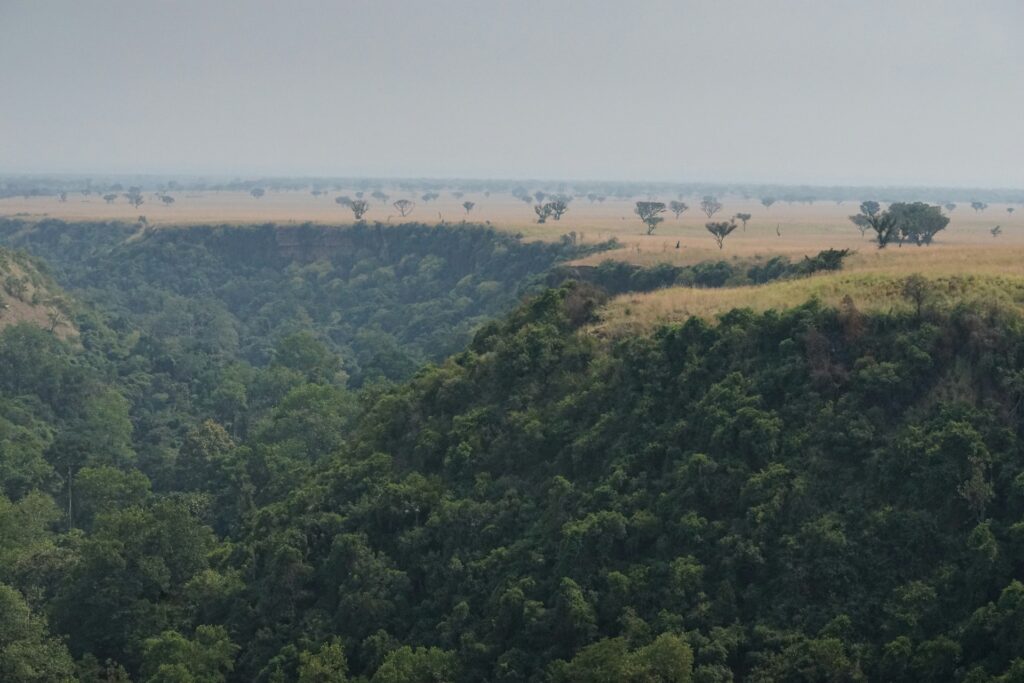
Historically, we, the Ba-Twa peoples, were the first to inhabit the Great Lakes region. For millennia, we have lived in harmony with the equatorial forest, which is our cradle and our refuge. Our history is that of unrivalled hunter-gatherers, whose knowledge of the forest, hunting techniques and plant resources is second to none. This intimate knowledge of the forest world has sometimes earned us the title of ‘guardians of the forest’.
Our mastery of the natural environment is widely recognised, and numerous studies have confirmed it: whether it be hunting with spears or nets, harvesting wild honey, or identifying edible plants such as yams, our skills are unique. We also possess a wealth of traditional ecological knowledge, passed down from generation to generation.
Today, even though many of us have settled down and turned to agriculture, we have not lost this distinctive character. Our expertise remains alive, distinct, and continues to be an integral part of who we are.
Foundation and membership of B.N.M. in the U.I.N.
On 8 June 2024 in Kinshasa, the Batwa ba Ntomba ba Mongo ceased to be a shadow. On that day, drawing strength from their membership of the major Council of Elders of Kama (C.SA.K) platform and their experience as an association, they signed historic agreements with the Union of Indigenous Nations (U.I.N).
„The signing represented not merely an administrative formality, but a profound recognition: this people exists; they have rights to their ancestral lands, a rich history and a future to build for themselves, , in harmony with their Bantu Ntomba neighbours with whom they share a language and villages, whilst also affirming their distinct identity as an indigenous people and guardians of the forest.“
Prior to this membership, there had been a long process of remembrance and organisation led by the elders, women and young people, who refused to be erased or socially marginalised. Their journey within the C.SA.K has enabled them to forge bonds of solidarity with other indigenous peoples of Central Africa, to strengthen their voice and to prepare for this decisive moment when they chose to say ‘yes’ to their own light, to their unique forest knowledge and to their regained dignity.
Today, the Union of the Batwa ba Ntomba ba Mongo stands strong. It was not born of a mere piece of paper, but of a spirit passed down from generation to generation. This spirit that of the men and women who said ‘enough’ to invisibility they are now passing on to their children, so that the memory may never fade, so that the forest of their ancestors may never be forgotten, and so that their dignity may never be called into question. This membership of the U.I.N. marks a new beginning : one of recognition that paves the way for rights to be finally respected and for their history to be written, at last, in their own hands.
Legal foundations of the B.N.M.
The Union of the Batwa ba Ntomba ba Mongo (B.N.M.) bases its existence and activities on a legal framework which, whilst rooted in the reality of the Democratic Republic of the Congo, is aligned with the principles of the Kama Council of Elders (C.SA.K) platform, of which it is an active member.
Constitution of the Democratic Republic of the Congo (CRDC)
The B.N.M. bases its work on the constitutional principles that guarantee fundamental rights, in particular freedom of association, the recognition of the rights of indigenous peoples and the protection of minorities. The Congolese Constitution also enshrines the legal validity of customary laws and traditional authorities, in accordance with constitutional principles, which is fundamental for a people such as ours who live in harmony with their Bantu Ntomba neighbours under the authority of a single village chief.
The Congolese State has a duty to ensure the democratic participation of citizens and civil society, which fully legitimises the existence of organisations such as the B.N.M.
Ordinary Congolese legislation
The Democratic Republic of the Congo has a legal framework recognising the rights of Pygmy indigenous peoples, notably through Law No. 22/003 of 8 May 2022 on the protection and promotion of the rights of Pygmy indigenous peoples. This Act forms a key foundation for the B.N.M.’s work, as it specifically recognises our status as an indigenous people, our right to land, to the forest, to our traditional knowledge and to our participation in decisions that affect us.
The B.N.M. therefore operates in full compliance with this legal framework, whilst drawing on the natural dynamics of genuinely existing communities, whose existence is a natural reality predating the laws of the State. The principles of democratic organisation, the use of peaceful means and accountability, which govern associations in the DRC, are fully applicable to its structure and functioning.
Integration with the C.S.A.K platform
As a founding and active member of the Kama Council of Elders (C.S.A.K), the B.N.M. benefits from the legal foundations of this transnational platform, which include:
- The official documents of the founding member organisations, which serve as the basis for joint action.
- A regulatory Charter, which defines the platform's functioning and the shared principles of action amongst the various indigenous member peoples.
As the C.SA.K is recognised as a legal entity in the Democratic Republic of the Congo, the B.N.M. operates within a robust legal framework that enables it to function both within and outside the country, whilst drawing on the platform’s structure and transnational influence to broaden its scope of action and bring the voice of the Batwa ba Ntomba ba Mongo to the international stage.
International legal frameworks
The B.N.M. also draws on the international instruments ratified by the Democratic Republic of the Congo, notably:
- The United Nations Declaration on the Rights of Indigenous Peoples (UNDRIP), which recognises the rights of indigenous peoples to self -determination, to their lands and resources, and to the preservation of their culture.
- International Labour Organisation (ILO) Convention No. 169 concerning Indigenous and Tribal Peoples; although the DRC has not yet ratified it, its principles inspire and guide our work.
- The African Charter on Human and Peoples’ Rights, which guarantees the protection of the rights of local communities and indigenous peoples.
These international instruments reinforce our legitimacy and our struggle for the full and complete recognition of our rights as an indigenous people of the equatorial forest.
What we are not
The B.N.M. also draws on the international instruments ratified by the Democratic Republic of the Congo, notably. The Batwa ba Ntomba ba Mongo are not :
A people stuck in the past
Our history is alive and our skills continue to evolve alongside our daily lives.
Isolated hunter-gatherers
We live in harmony with our Ntomba Bantu neighbours, sharing the same language, the same villages and a vital part of our culture.
Merely performers of forest ritualst
We are complex men and women farmers, parents, craftspeople and much more than just an image or a myth.
Defenceless or helpless
We retain a collective memory, unique ecological knowledge and an ability to adapt these are our strengths.
Resigned victims of history
We remain the primary custodians of our knowledge and the main architects of our future.
A people without a vision or a legacy
We are committed to passing on to our children our relationship with the forest, our dignity and our place in this ever-changing world.
The difficulties faced by the Batwa ba Ntomba ba Mongo
The current situation of us, the Batwa ba Ntomba ba Mongo of the Lake Tumba region, remains precarious. Our history as a forest-dwelling people is challenged by the degradation of our environment and the difficulties of integrating into a changing society.
Lack of land ownership
We, the Batwa ba Ntomba ba Mongo, have no land ownership, unlike other indigenous communities living around us. It is precisely to address this difficulty that we have chosen to join the Kama Council of Elders (C.SA.K). Among our objectives is the essential one of tackling this challenge.
Loss of traditional livelihoods
With game becoming increasingly scarce due to deforestation and the expansion of plantations, we are struggling to sustain our ancestral way of life. We are increasingly keen to become farmers, but face difficulties such as a lack of access to the best land and insufficient equipment.
Social vulnerability
We remain at the bottom of the social ladder, economically dependent on our Ntomba Bantu neighbours for whom we work, which leaves us vulnerable. Persistent discrimination and prejudice make it more difficult for us to achieve full emancipation.
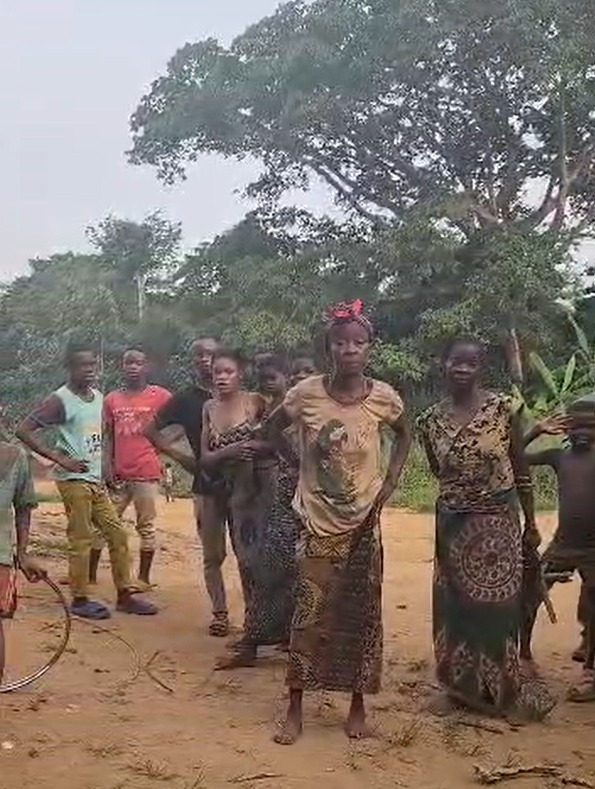
„Today, the Union of the Batwa ba Ntomba ba Mongo stands strong. It was not born of a mere piece of paper, but of a spirit passed down from generation to generation.“
Learn more about the Batwa ba Ntomba ba Mongo
Discover the history, the culture and the struggles of the guardians of the equatorial forest in the Lake Tumba region.