Our Vision
OUR VISION
The United Indigenous Nation (U.I.N.) is the global representative body of Indigenous nations and tribal alliances, dedicated to promoting the rights, cultures and territories of Indigenous peoples and ensuring their protection.
It envisions a world in which Indigenous nations and tribal alliances are equal partners, empowered to make their own decisions and preserve their cultural identity for future generations.
OUR GOALS
- Every member of the U.I.N. is given the opportunity to live a free and self-determined life in peace. *
- The enforcement of indigenous land, space and resource rights on the native territory of U.I.N. members. *
- Ensuring participation in resources and/or the associated yields on the native territory of the members of the U.I.N. *
- Every member of the U.I.N. is protected from criminalization, discrimination and violence. *
- All members of the U.I.N. are offered the opportunity to network and support each other.
* (in accordance with UNDRIP, ILO169, ICERD, UNCRC, FPIC and CAT)
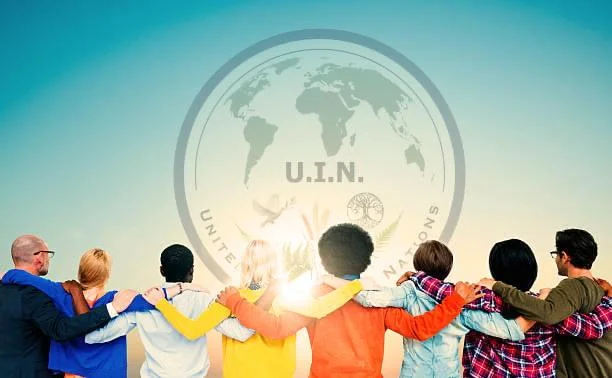
The United Indigenous Nations sees itself as the guardian of the original rights and ways of life of indigenous peoples. At the heart of our work is the pursuit of a world in which traditional communities can preserve and freely develop their own order, their language, their culture and their livelihoods – without external coercion, without paternalism and in harmony with natural principles.
We achieve this goal not through directives, but through support.
The U.I.N. creates spaces for self-determination in which indigenous peoples can manage their internal affairs independently – be it social, economic, or cultural matters. Strengthening communities begins with the re-recognition of traditional systems, a return to their own sovereignty and the ability to make decisions in accordance with their own traditions.
The lived identity of indigenous peoples is reflected not only in their organizational form, but also in their language, their culture of remembrance and the experiences they pass on. Therefore, we support initiatives dedicated to the preservation and revitalization of indigenous languages, rituals and forms of knowledge. Such projects are far more than symbolic acts—they are the heartbeat of a people and secure the foundation for a dignified future.
The next generation is particularly important to us. Children and young people are bearers of both memory and renewal. They deserve access to paths that enable them to develop without severing their roots. Educational opportunities that allow space for cultural identity are just as important to this as protective mechanisms against exclusion and exploitation.
But identity also exists in the relationship to the land. Indigenous territories are not merely geographical areas—they are habitats, connected to history, knowledge and responsibility. The U.I.N. therefore supports the right of Indigenous communities to preserve, protect and use their ancestral territories in their own way. For us, sustainable development means more than just economic growth.
Another component of our path is our commitment to a fair public portrayal of indigenous peoples. It is important to break down prejudices and make the diversity of perspectives visible. Because respect begins with understanding – and understanding is not born through instruction, but through encounter.
Our work also includes building knowledge and structures. Where communities grow, new questions, new challenges—but also new opportunities—emerge. Therefore, we promote networking among indigenous groups worldwide, facilitate the exchange of best practices and strengthen the foundations of community development through training, resource building and reconnection to traditional ways.
Thus, the goal of the U.I.N. unfolds not as a rigid program, but as a living process.
It is a path that comes from within—and is founded on recognition, freedom and respect for every people.
OUR MISSION
Our mission is to unite indigenous communities around the world, strengthen their rights and provide a platform for collaboration and knowledge exchange. We promote dialogue with the global community to achieve our common goals of peace, self-determination and sustainable prosperity.
The U.I.N. is committed to the global protection and promotion of indigenous rights, grounded in international standards such as UNDRIP, ILO 169, ICERD, the UN Convention on the Rights of the Child and the Universal Declaration of Human Rights. We support the empowerment of indigenous communities, the safeguarding of their cultures and their representation in national and international forums.
Joining the U.I.N.: A Global Alliance of Indigenous Communities
After the U.I.N. was founded in 2024 by its initial negotiation partners together with the Wakaminenga Māori Government of Aotearoa Nu Tireni, the Republic of Lakota Nations, the Kinakwii and the Union Autochtone Batwa joined.
The base for these accessions was the series of peace agreements previously concluded between the founding partners of the U.I.N. and the respective indigenous nations and tribal associations.
The members commit themselves to a global dialogue for peace, justice and cultural diversity within the U.I.N.